

WCWA is the authority governing child welfare and protection matters applicable to all Wabaseemoong Independent Nations’ children, their safety and security. The approach to child welfare is consistent with Anishinaabe customary Law respecting the protection and care of children of the Abinoojii Inakonigewin.
WCWA is lead by the Executive Team consisting of Eric Fisher – Executive Director, and Janna McDonald – Co-Executive Director.
However, the staff are the driving force and are what enable us to fulfill our objective of family preservation and reunification.
Anishinaabe Laws existed before contact and before Treaties
They are sacred, traditional and customary, and they are not extinguished by Treaties.
The source of Anishinaabe Laws is Miinigo`iziwin. Sacred Law and Traditional Law cannot be written, but Customary Law may be written with the guidance, direction and permission of the Elders through ceremonies.
Objective
To create a system where community, individuals and families have access to services that enhance self-determination and community capacity towards well-being and resiliency. In so doing, to create a system where reliable evidence may be gathered on a continuous basis, while services have cultural relevance and are meaningful to the community the family and the individual.

Vision
- To create and implement our own Wabaseemoong Customary Child Care Law
- To be a prevention-focused, independently mandated agency that is active in preserving our language, culture, history & traditions
- To have engaged community support, transitional supports for youth independence, and culturally appropriate, fully functional facility & services
Mission
Under the guidance of the Little White Turtle and with use of traditional values, culture and language, WCWA strives in unity to provide exceptional support services to children and families.


Prevention Services – At the Heart of the Work We Do
The fundamental heart of the WCWA care model is providing prevention services that will create and support healthy families so that more intensive customary care and protective services are not needed.
Wabishki Makinaakoons supports families and the community’s healing journey through its Prevention Services & Family Preservation, and Traditional Healing Unit programs. It provides a wide variety of community outreach including: parenting help (traditional and contemporary), elder support, youth events, community gatherings, and cultural events and supports.

The Well-being of Our Children: A Timeline
Since time immemorial, our children lived happy lives on the land. They received Elders’ teachings about our traditions so they could use the gifts of the waters, lands and animals with respect. They learned to trap, fish, garden and pick medicine. They travelled with their families, according to the seasons, to pick rice and blueberries. They had deep connections to their families and their surroundings.
March 1900
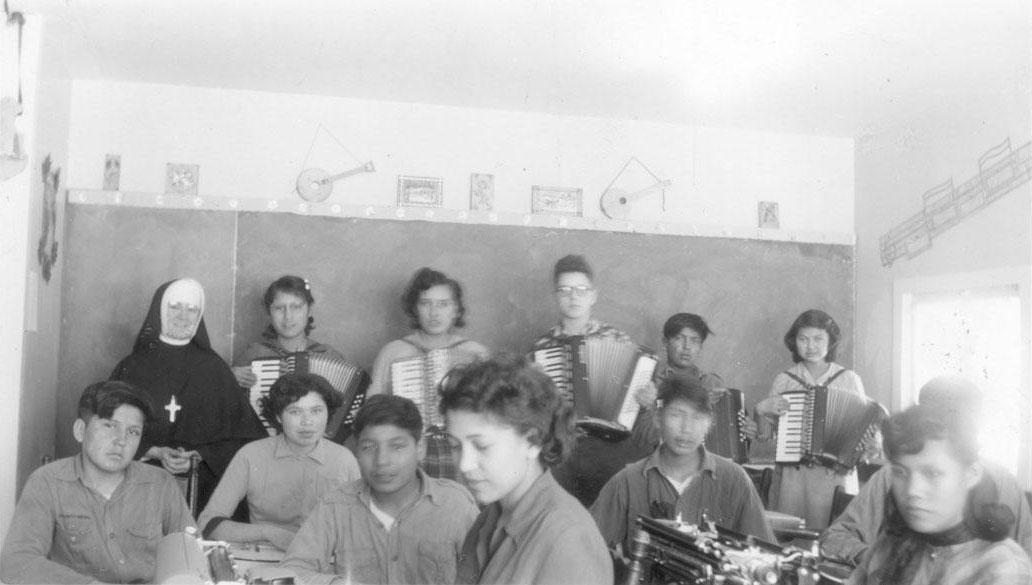
Early 1900s – Residential School Program
Many of our children were taken away by the residential school system. Most WIN children went to Kenora, where they suffered culture loss and trauma. Some of our Elders remember being bribed and tricked by the teachers, who would come to our settlements and promise picnics and fun at residential school.
March 1970
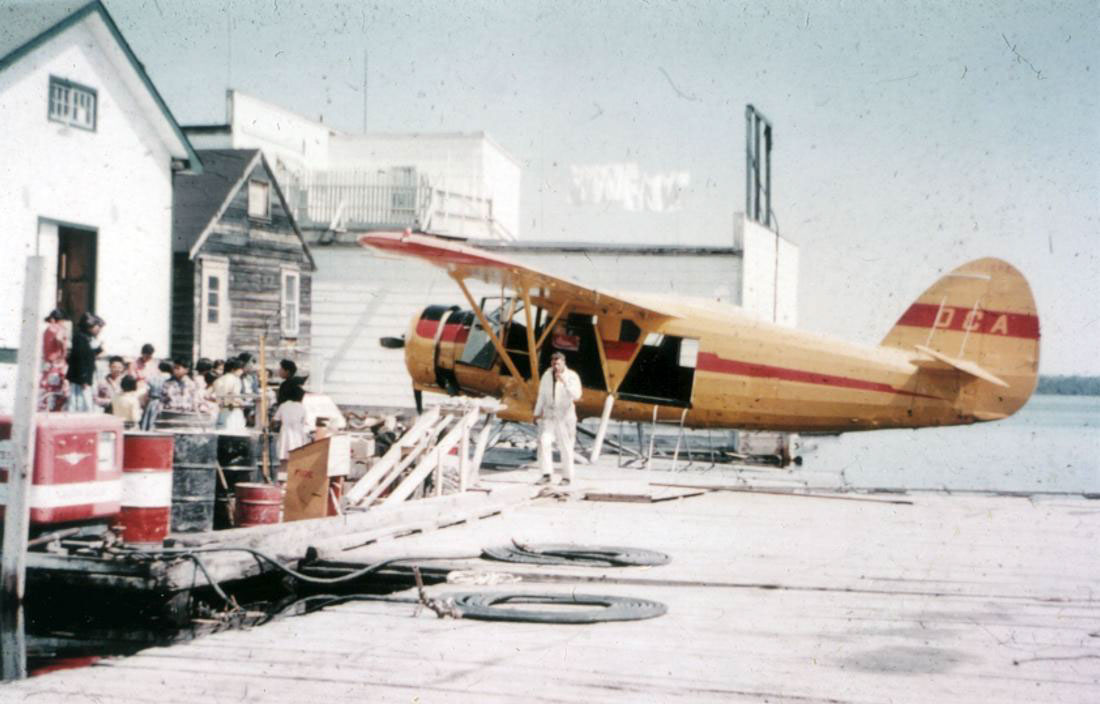
The 1970s – Sixties Scoop & Northern Adoption Project
The Sixties Scoop & Northern Adoption Project created emotional devastation in our community. Our children were gathered up without warning and flown hundreds of kilometres away to Sandy Lake, where they were adopted by families with no prior plans or official paperwork.
January 1990
1990 – Banning Children’s Aid Societies
With about 300 of our children living away from us as victims of the CFS system, Wabaseemoong Independent Nations band council passes a resolution forbidding children’s aid societies from entering the reserve.
March 1995
The Mid 1990s – Ojibway Tribal Family Services
The Ojibway Tribal Family Services (OTFS) was initiated, which provided an Indigenous-operated alternative to the mainstream child welfare system. Despite some initial success, it stopped receiving funding from the government in 2001.
March 2005
The Mid 2000s – Anishinaabe Abinooji Family Services
The Anishinaabe Abinooji Family Services (AAFS), which was created as a replacement of the OTFS, is given a provincial mandate to provide child welfare and prevention services to 14 First Nations in the northern region of Treaty 3.
March 2011
2011 – Wabaseemoong Child Welfare Authority Created
Wabaseemoong Independent Nations regained jurisdiction over its own child and family services and created the Wabaseemoong Child Welfare Authority. Intensive discussions begin within the WIN community about traditional practices of raising children.
March 2017
2017 – WIN Customary Care Code Created
The WIN Customary Care Code is created, based on Elders’ knowledge and community input, and is confirmed at a special meeting in 2017.
January 2020
January 1, 2020 – Bill C-92 Comes Into Effect
Bill C-92 An Act respecting First Nations, Inuit and Métis children, youth and families comes into effect. It recognizes Indigenous peoples’ jurisdiction over child and family services as part of the right to self-governance. Laws created by Indigenous communities will take precedence over federal, provincial and territorial laws if an agreement is made with the government, or if reasonable efforts have been made over 12 months to do so. WIN submits its code.